
We Examine. You Judge.
Before the Glass City Raised Glasses: Toledo’s Wild History of Beer, Bars & Bootleggers
THE BAR EXAMINER PRESENTS
Bar Lore & History
Tales from behind the taps.
Before the Glass City Raised Glasses: Toledo’s Wild History of Beer, Bars & Bootleggers
Toledo bar history goes back nearly 200 years, long before the city became famous for glass, Jeeps, or Mud Hens.
Beer. Lots of beer.
And if you think Toledo’s bar scene is something relatively new, pull up a barstool.
This story goes back nearly 200 years.
Along the way, we’ve got breweries, immigrants, railroads, Prohibition, bootleggers, organized crime, and a city that apparently wasn’t particularly enthusiastic about being told it couldn’t drink.
Welcome to Toledo, Ohio.
Before the Glass City, There Was Beer
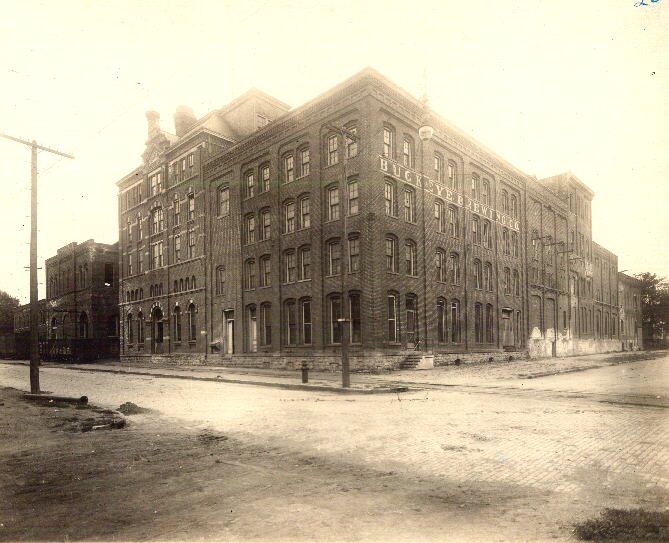
Toledo was established in 1833. The brewing operation that would eventually become Buckeye Brewing traces its roots to 1838.
As the city grew throughout the 1800s, German immigrants brought brewing traditions and expertise, while the expanding industrial workforce supplied plenty of thirsty customers.
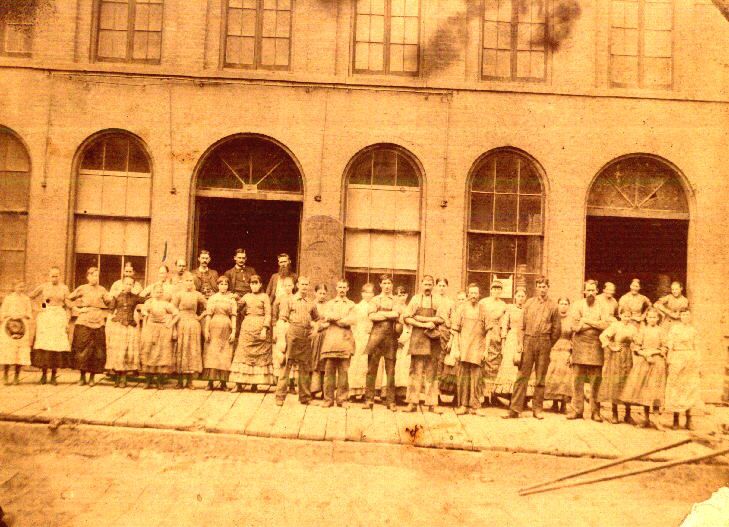
Around 1900, Toledo was home to at least 14 operating breweries.
Think about that.
Before the city’s automotive industry became famous, beer was already a major part of its economy.
Local breweries employed workers, supported other businesses, and helped establish the city’s social culture.
And breweries were only half the story.
Location, Location, Libation
Toledo didn’t become a transportation hub by accident.
Situated near Lake Erie on the Maumee River, the city developed connections through Great Lakes shipping, canals, and railroads.
Goods moved through Toledo. Workers moved through Toledo. Sailors, immigrants, travelers, and railroad employees moved through Toledo.
And wherever people gathered, businesses appeared to feed them, house them, and provide a little entertainment.
Including saloons.
The city’s strategic location helped support a thriving hospitality industry.
That same geography would become particularly interesting when the government decided to outlaw booze.
But we’re getting ahead of ourselves.
Toledo Once Had 408 Saloons
Here’s a number worth raising a glass to.
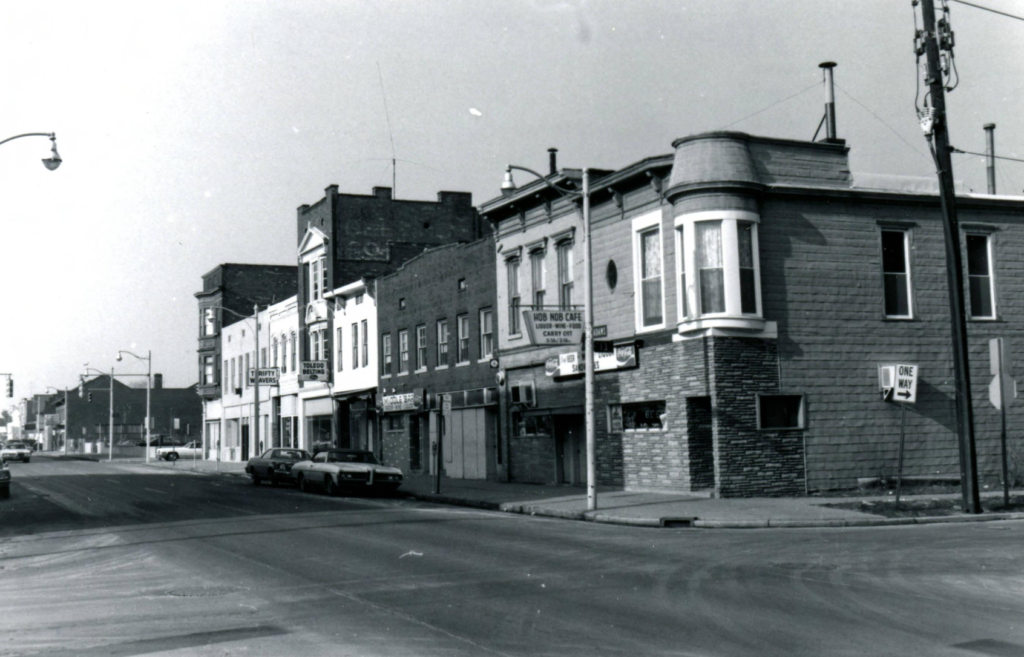
In 1918, Toledo had 408 licensed saloons.
That’s according to a contemporary study titled The Saloon as a Phase of Commercialized Amusements in Toledo, published in June of that year.
The researchers actually visited all 408 establishments.
And they weren’t particularly impressed with some of what they found.
The study criticized everything from profanity to unsanitary restrooms.
Apparently, bar bathroom complaints aren’t a modern invention.
But saloons were more than places to drink. They provided food, social connections, meeting spaces, and neighborhood gathering spots.
For workers and immigrant communities, the local saloon could be an important part of everyday life.
Of course, some establishments also attracted gambling, vice, and less-than-respectable activities.
Toledo’s bar culture was already firmly established.
Then somebody decided to shut it down.
Prohibition Crashed the Party
In November 1918, Ohio voters approved statewide Prohibition.
The state went dry in May 1919, months before national Prohibition began in January 1920.
For Toledo’s brewing industry, this was a disaster.
The city’s remaining major breweries stopped producing regular beer.
Some closed permanently. Others tried adapting.
Buckeye Brewing switched to products including root beer, ginger ale, and cider, while also using its cold-storage facilities to stay in business.
Imagine building a company around beer only to have the government announce that beer is no longer an acceptable business model.
That’s one hell of a regulatory inconvenience.
But something interesting happened.
The demand for alcohol didn’t disappear.
It just went underground.
Bootleggers, Gangsters, and the Toledo Connection
Remember Toledo’s convenient location?
During Prohibition, it became valuable for an entirely different reason.
Detroit’s proximity to Canada helped make the region a major center for illegal liquor trafficking. Toledo’s transportation connections made the city part of the smuggling network extending through the Midwest.
And where there’s illegal money, organized crime generally isn’t far behind.
The notorious Detroit underworld had connections to Toledo, including the ruthless organization led by Thomas “Yonnie” Licavoli.
By the early 1930s, the Licavoli gang was terrorizing Toledo with extortion and violence.
The regional bootlegging trade also connected Toledo to larger criminal markets, including Chicago.
This wasn’t merely a few people sneaking whiskey into a basement speakeasy.
It was a dangerous criminal enterprise.
The city that had once supported a thriving legal brewing industry was now dealing with criminals profiting from illegal alcohol.
Apparently, outlawing the product hadn’t eliminated the customers.
Who could have predicted that?
The Beer Came Back
National Prohibition ended in December 1933.
But Toledo’s original brewing industry never fully returned to its former size.
Buckeye Brewing survived for decades, eventually becoming one of the city’s best-remembered historic beer brands.
Then, in 1995, Maumee Bay Brewing Company opened in the historic Oliver House.
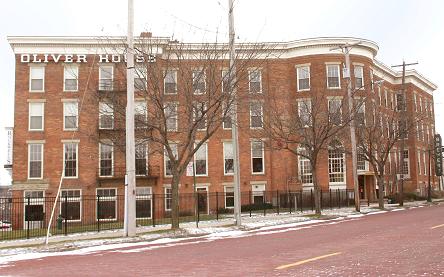
Originally built as a hotel in 1859, the Oliver House had survived more than a century of changes before finding new life as a brewery and gathering place.
Maumee Bay Brewing would also help bring the Buckeye Beer name back to Toledo.
A new chapter in an old tradition.
Nearly 200 Years Later, Toledo Is Still Raising the Bar
Today, Toledo’s nightlife looks considerably different from the saloon era.
There are neighborhood dives, sports bars, breweries, cocktail lounges, karaoke nights, live music, and establishments offering everything from inexpensive drafts to elaborate mixed drinks.
But the basic idea hasn’t changed much.
People work. People travel. People want someplace to meet friends, unwind, grab a bite, and enjoy themselves.
The city has been accommodating that desire for generations.
And while discovering a good saloon in 1918 might have required a little wandering, finding a bar in Toledo today is considerably easier.
That’s part of what we’re building at The Bar Examiner.
Whether you’re looking for an old neighborhood favorite, somewhere new, drink specials, karaoke, or live entertainment, you can start by exploring Toledo bars and nightlife on The Bar Examiner.
We’re helping document today’s local bar scene while giving establishments another way to share what makes them worth visiting.
Because Toledo’s bar history shouldn’t end with a dusty photograph of a brewery that closed a century ago.
It’s still being written, one establishment at a time.
Nearly two centuries of Toledo bar history.
And we’re just getting started.